
Dress Codes: From Saintly to Sexy, Why We Wear Lace
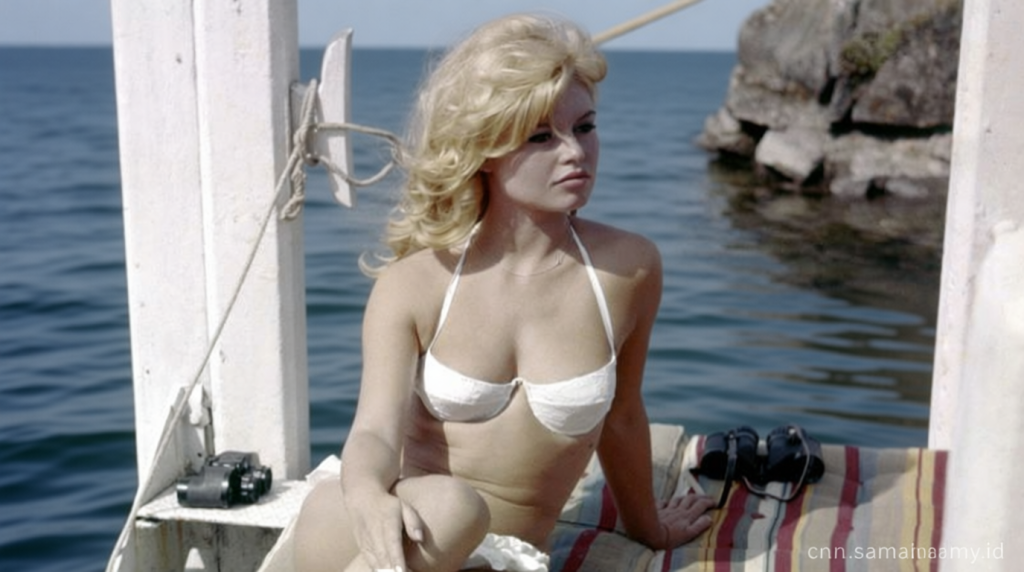
Long before the term “French Girl Chic” became a staple in digital fashion guides and editorial spreads, the late French film starlet Brigitte Bardot redefined style with a vision that felt both audacious and timeless. Her signature tousled blonde bouffant, bikinis, and capri pants introduced a new era of casual, unapologetic dressing — a departure from the rigid formalities of earlier decades. This effortless, “thrown together” aesthetic became emblematic of the swinging sixties and the cultural shift toward sexual liberation.
The fashion world swiftly embraced Bardot’s influence, propelled by the post-war film industry’s rise. Her global fame transformed her unique look into a trend that has persisted through decades, inspiring icons like Sienna Miller, Alexa Chung, Cara Delevingne, and Kate Moss. Elements such as catlike eye-liner, the “Bardot neckline,” babydoll dresses, and disheveled beehives remain timeless, showcasing her enduring appeal.

“French Girl Chic” was not merely a style — it was a cultural movement.
Bardot’s legacy extends beyond fashion. While she was a celebrated cultural icon, her politics often leaned right, aligning her with the Trump-era pin-up archetype. In 1992, she married Bernard d’Ormale, a former advisor to Jean-Marie Le Pen, founder of France’s far-right National Front party. She was convicted five times for inciting racial hatred, frequently targeting the Muslim community, and publicly dismissed the #MeToo movement and feminism, prioritizing animal rights in her philanthropy instead.
Despite her conservative values, Bardot was cast as a sensual, scandalous figure. Her breakout film And God Created Woman (1956) saw her portray a sexually unrestrained teenaged orphan, reinforcing her reputation as France’s “sex kitten” — a term coined specifically for her. Her off-screen choices, from low-slung necklines to unkempt hair and bare legs, further solidified this image.
“Her sensuality was a break from the prudent conservative aesthetic, mirroring today’s hyper-feminine, right-wing-coded beauty ideals.”
Bardot was never a trad wife — she married four times and favored the decadence of Cannes over domestic life — yet she might be the muse today’s trad wives turn to during their European honeymoons. Her style, once a symbol of rebellion, now resonates as a blend of elegance and allure, proving that even the most traditional aesthetics can find inspiration in her legacy.