
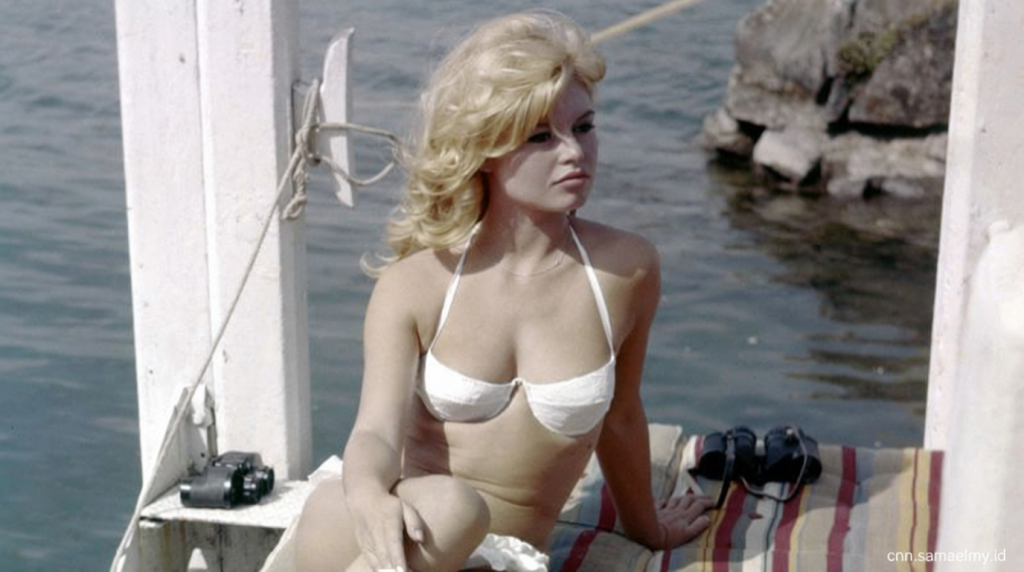
Brigitte Bardot: The Architect of French Girl Chic
Long before the term “French Girl Chic” became a staple in online shopping guides and aesthetic trends, the late French film starlet Brigitte Bardot defined a style that was once revolutionary. Her iconic tousled blonde bouffant, bikinis, and capri pants introduced a casual, effortless approach to fashion—one that embraced a laid-back, almost carefree attitude. This shift away from rigid, formal silhouettes marked a new era, embodying the spirit of the swinging sixties and the rise of sexual liberation.
The Rise of a Global Icon
The fashion world soon embraced Bardot’s aesthetic, driven by her status as a global star fueled by the post-war film industry’s growth. Her look was transformed into a trend that persists decades later, influencing icons like Sienna Miller, Alexa Chung, Cara Delevingne, and Kate Moss, who have all worn the “French Girl look” in their own careers. Elements such as catlike eye-liner, the “Bardot neckline,” and babydoll dresses remain synonymous with her legacy.

Bardot’s overarching legacy may not be as easily defined as her personal style. While she was a celebrated cultural icon who left an indelible mark on fashion history, she also emerged as an early prototype for the Trump-era pin-up. Her politics leaned heavily toward the right, and in 1992, she married Bernard d’Ormale, a former advisor to Jean-Marie Le Pen—founder of France’s far-right National Front party.
She was convicted five times for inciting racial hatred, often targeting the Muslim community, and publicly dismissed the #MeToo movement and feminism. Instead, she directed her philanthropy toward animal rights, a cause she championed with fervor. Despite her conservative values, Bardot’s on-screen allure as a sexually uninhibited teenaged orphan in her breakout film “And God Created Woman” (1956) solidified her reputation as France’s “sex kitten”—a term uniquely associated with her.
Sensuality and Contradiction
Her sensuality was not seen as a contradiction to her politics but rather a break from the prudent conservative aesthetic. This duality mirrors modern beauty ideals, such as those exemplified by Sydney Sweeney today, which often carry subtle right-wing undertones. Bardot was certainly not a trad wife—she was married four times and preferred the hedonism of Cannes to wholesome homemaking—but she might be the figure today’s trad wives aspire to emulate during their honeymoons in Europe.
Scroll on to take a deep dive into Bardot’s enduring, covetable style.